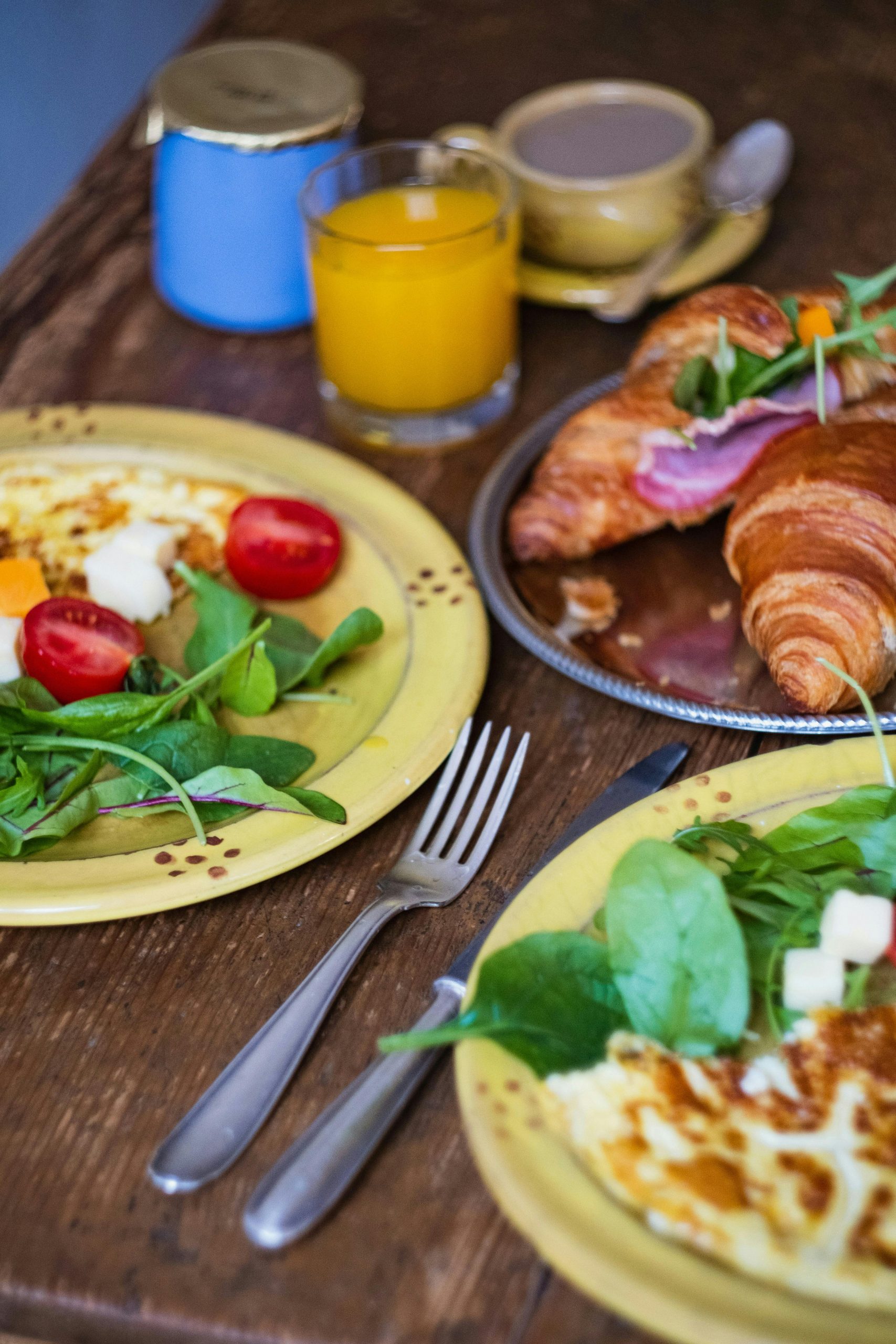
Authentic Provençal Cooking: Explore the Culinary Delights of France
The Provençal cuisine is renowned for its rich culinary heritage, shaped by the Mediterranean diet and the region's history. Located in southern France, Provence is a haven for food lovers, offering a diverse array of fresh ingredients and traditional dishes.
This culinary journey will take you through the heart of French cooking, exploring the unique flavors and ingredients that define the region. From the vibrant markets to the family-run restaurants, you'll experience the authentic taste of Provence.
Key Takeaways
- Explore the rich culinary heritage of Provence
- Discover the influence of the Mediterranean diet on local cuisine
- Learn about traditional Provençal dishes and ingredients
- Experience the vibrant markets and family-run restaurants of southern France
- Understand the significance of fresh ingredients in Provençal cooking
The Heart and Soul of Provençal Cuisine
The essence of Provençal cooking is deeply rooted in the traditions and ingredients of southern France, making it a unique gastronomic experience. Provençal cuisine is characterized by its use of fresh, locally sourced ingredients, aromatic herbs, and a blend of Mediterranean flavors.
A Culinary Journey Through Southern France
Southern France, with its diverse landscapes from coastlines to mountains, offers a rich culinary journey. The region's cuisine is marked by simplicity, freshness, and a focus on local produce.
The Mediterranean Influence on Provençal Flavors
The Mediterranean diet's influence on Provençal cuisine is evident in its emphasis on olive oil, garlic, and herbs. These ingredients form the backbone of many traditional dishes.
Regional Variations Within Provence
Provence is not a monolith; it has regional variations that reflect local ingredients and traditions. From the coast to the inland areas, each sub-region contributes its unique flavors.
| Region | Signature Ingredients | Popular Dishes |
| Coastal Provence | Fresh seafood, olives, garlic | Bouillabaisse, grilled fish |
| Inland Provence | Vegetables, herbs, lamb | Ratatouille, daube |
| Mountainous Provence | Game meats, mushrooms, chestnuts | Stews, roasted meats |
The Rich History Behind Provençal Cooking
Provençal cuisine is a testament to the region's rich cultural and culinary history, with its origins deeply rooted in ancient traditions. The history of Provençal cooking is a fascinating tale of how different cultures have influenced the culinary landscape of southern France.
Ancient Roman Roots
The story begins with the ancient Romans, whose presence in Provence left a lasting legacy on the local cuisine. They introduced various ingredients and cooking techniques that are still evident in modern Provençal cooking. For instance, the use of garlic, olive oil, and herbs became staples in Provençal kitchens.
Evolution Through the Centuries
As centuries passed, Provençal cuisine continued to evolve, influenced by subsequent rulers and traders. The Middle Ages saw the introduction of new spices and cooking methods, further enriching the local culinary traditions. The cuisine adapted to the changing tastes and available ingredients, yet maintained its unique character.
Preservation of Culinary Traditions
A key factor in the enduring authenticity of Provençal cuisine is the preservation of culinary traditions. Family recipes have been passed down through generations, playing a crucial role in maintaining the region's gastronomic heritage.
Family Recipes Passed Down Generations
These family recipes are more than just cooking instructions; they are a connection to the past and a celebration of the region's history. They have been lovingly preserved and handed down, ensuring that the essence of Provençal cooking remains alive. The tradition of cooking together has also fostered a strong sense of community and cultural identity.
In conclusion, the rich history behind Provençal cooking is a complex tapestry woven from various cultural influences and traditions. Understanding this history not only enhances our appreciation of the cuisine but also highlights the importance of preserving culinary heritage for future generations.
Essential Ingredients in the Provençal Pantry
At the heart of Provençal cooking lies a simple yet rich pantry, stocked with a few essential ingredients. These staples are the foundation upon which the region's culinary magic is built, bringing the flavors of the Mediterranean to your table.
Olive Oil: The Liquid Gold of Provence
Olive oil is the cornerstone of Provençal cuisine, used liberally in cooking and dressing dishes. The region's olive groves produce some of the world's finest olive oil, known for its rich flavor and high quality. When shopping for olive oil, look for products labeled as "extra virgin" to ensure you're getting the best.
Herbs de Provence: The Signature Blend
Herbs de Provence is a blend of herbs that captures the essence of the region. This signature mix typically includes thyme, rosemary, oregano, lavender, and marjoram, among others. It's used to add depth and warmth to a variety of dishes, from stews and soups to roasted meats and vegetables.
Garlic, Tomatoes, and Other Staples
Garlic and tomatoes are fundamental to many Provençal recipes, adding flavor and richness to dishes. Other staples include onions, bell peppers, and eggplant, which are often used in ratatouille and other vegetable-centric dishes.
Local Cheeses and Dairy Products
The Provence region is home to a variety of cheeses and dairy products that are integral to its cuisine. From the creamy richness of Banon cheese to the tangy flavor of goat cheese, these products add complexity and depth to Provençal cooking.
| Ingredient | Common Uses |
| Olive Oil | Cooking, dressings, marinades |
| Herbs de Provence | Stews, soups, roasted meats, vegetables |
| Garlic | Sauces, stews, roasted meats |
| Tomatoes | Ratatouille, sauces, salads |
| Local Cheeses | Salads, sauces, desserts |
Signature Dishes That Define Provençal Cuisine
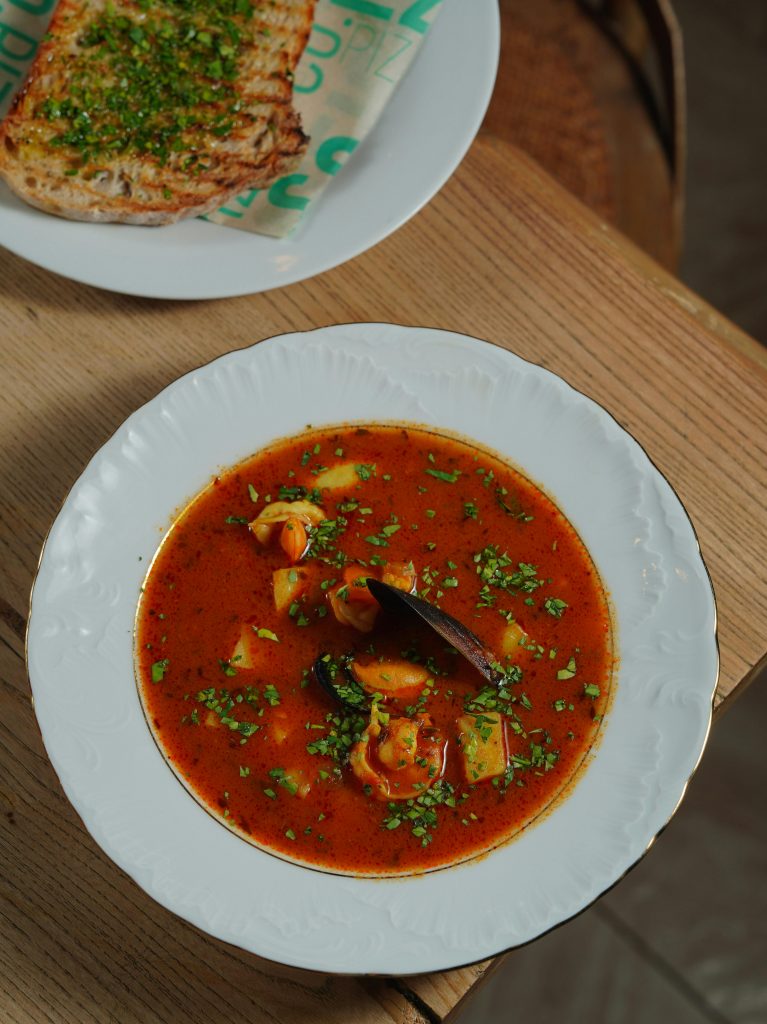
At the heart of Provençal cooking are dishes that have been passed down through generations, each telling a story of the region's cultural heritage. These iconic recipes not only showcase the rich flavors and ingredients of Provence but also reflect the region's history, geography, and cultural traditions.
Bouillabaisse: The Iconic Seafood Stew
Bouillabaisse is perhaps the most celebrated dish to emerge from Provence. This hearty seafood stew originated in the port city of Marseille, where it was cooked by fishermen using the day's catch. The broth is flavored with a variety of ingredients, including garlic, saffron, and orange zest, making it a true representation of Provençal cuisine's complexity and richness.
- Key ingredients include a variety of fish and shellfish, such as mussels, clams, and rouget.
- The broth is served with croutons and rouille, a spicy mayonnaise-like condiment.
Ratatouille: A Celebration of Summer Vegetables
Ratatouille is a quintessential Provençal dish that celebrates the region's summer produce. This vegetable stew from Nice is made with eggplant, zucchini, bell peppers, and tomatoes, all slowly cooked in olive oil to create a rich and flavorful sauce.
The beauty of ratatouille lies in its simplicity and the quality of its ingredients. It's a dish that can be enjoyed on its own or paired with grilled meats or fish.
Daube Provençale: The Hearty Beef Stew
Daube Provençale is a slow-cooked beef stew that embodies the heartiness of Provençal cuisine. The dish is cooked in a clay pot with a mixture of beef, vegetables, and herbs de Provence, resulting in tender meat and a rich, flavorful sauce.
This stew is typically served with crusty bread or pasta, making it a comforting meal for cold days.
Socca and Other Street Foods
Socca is a beloved street food in Provence, particularly in Nice. This thin, chickpea flour pancake is cooked in a large pan and often served hot, either on its own or filled with various ingredients.
- Other popular street foods include pan bagnat, a sandwich filled with tuna, and farcis, stuffed vegetables.
- These dishes reflect the casual, vibrant side of Provençal cuisine.
Mastering Authentic Provençal Cooking Techniques
To truly master Provençal cooking, one must understand the fundamental techniques that define this rich culinary tradition. Provençal cuisine is renowned for its emphasis on transforming simple, fresh ingredients into complex, flavorful dishes through various cooking methods.
Slow Cooking Methods
Slow cooking is a cornerstone of Provençal cuisine, allowing flavors to meld together and ingredients to tenderize. Techniques such as braising and stewing are staples, with dishes like Daube Provençale exemplifying the rich, comforting results of slow cooking.
Layering Flavors the Provençal Way
Layering flavors is an art in Provençal cooking, achieved by combining ingredients in a specific order to create depth and complexity. This technique is evident in dishes like Ratatouille, where vegetables are layered to enhance their natural flavors.
Preservation Techniques
Preservation techniques have been crucial in Provençal cuisine, especially before the advent of modern refrigeration. Methods like pickling, salting, and confit-making allowed for the preservation of seasonal produce.
The Art of Confit
Confit is a traditional Provençal preservation technique that involves slow-cooking ingredients, typically garlic or duck, in fat. This method not only preserves the ingredients but also enhances their flavor. A classic example is garlic confit, which is used to add depth to various Provençal dishes.
| Technique | Description | Example Dish |
| Slow Cooking | Cooking ingredients over low heat for an extended period | Daube Provençale |
| Layering Flavors | Combining ingredients in a specific order to enhance depth and complexity | Ratatouille |
| Confit | Preserving ingredients in fat through slow cooking | Garlic Confit |
"The discovery of a new dish does more for human happiness than the discovery of a new star." - Jean Anthelme Brillat-Savarin
By mastering these techniques, home cooks can bring the authentic flavors of Provence into their kitchens, creating dishes that are both traditional and innovative.
Seasonal Approach to Provençal Cooking
The beauty of Provençal cuisine lies in its seasonal approach, celebrating the freshest ingredients nature has to offer throughout the year. This philosophy ensures that dishes are not only flavorful but also reflective of the region's rich agricultural heritage.
Spring Delicacies
Spring in Provence is a time of renewal, with the arrival of tender vegetables like asparagus and artichokes. These ingredients are often featured in dishes such as tarte provençale, showcasing the simplicity and elegance of Provençal cooking.
Summer Abundance
Summer brings an abundance of produce, including tomatoes, zucchini, and bell peppers, which are the foundation of iconic dishes like ratatouille. This vegetable stew celebrates the flavors of summer, often served alongside grilled meats or fish.
Fall and Winter Comfort Foods
As the weather cools, Provençal cuisine turns to hearty comfort foods. Dishes like daube provençale, a slow-cooked beef stew, warm the soul and reflect the region's rich culinary traditions.
Celebrating Seasonal Festivals Through Food
Provençal cooking is also deeply connected to the region's festivals and celebrations. For example, the Fête de la Lavande (Lavender Festival) honors the lavender harvest, with local dishes often featuring this fragrant herb.
As Elizabeth Gilbert once said,
"The secret of life is to have a task, something you devote yourself to, something you utterly love."
For the people of Provence, cooking seasonally is not just a task, but a labor of love that connects them to their land and heritage.
Provençal Markets: Sourcing Ingredients Like a Local
The vibrant markets of Provence are a cornerstone of the region's culinary identity. These bustling hubs of activity are where locals gather to source the freshest ingredients for their cooking.
Traditional Market Culture
Provençal markets are steeped in tradition, offering a sensory experience that delights visitors from around the world. The air is filled with the aroma of fresh produce, artisanal cheeses, and locally baked bread. As Elizabeth Gilbert once said, "The market is a place of wonder, a place where the ordinary becomes extraordinary."
"The market is a place of wonder, a place where the ordinary becomes extraordinary."
Finding Authentic Ingredients in America
For those in the United States, replicating the Provençal market experience can be challenging, but not impossible. Many American cities now have farmers' markets and specialty stores that carry authentic Provençal ingredients. Look for high-quality olive oil, fresh herbs, and local cheeses to bring the flavors of Provence into your kitchen.
Building Relationships with Vendors
Building relationships with vendors is key to sourcing the best ingredients. Take the time to get to know the people behind the stalls, ask questions, and learn about their products. This not only ensures you're getting the highest quality ingredients but also enriches your cooking with the stories and passion behind each item.
The Social Aspect of Provençal Dining
Provençal dining is more than just a meal; it's an experience deeply rooted in the region's culture and traditions. At its core, Provençal dining is about sharing moments with family and friends, creating memories that last a lifetime.
Family-Style Meals and Traditions
In Provence, meals are often served family-style, with dishes placed in the center of the table for everyone to share. This communal approach to dining encourages conversation and togetherness, making mealtime a truly special occasion. As Julia Child once said, "The only time to eat diet food is while you're waiting for the steak to cook." This quote encapsulates the Provençal spirit, where indulgence and joy are part of the dining experience.
The Long Lunch Culture
The long lunch, or "le déjeuner," is a cherished tradition in Provence. It's a time to savor good food, wine, and company, often stretching into the late afternoon. This leisurely approach to dining is not just about the food; it's about slowing down and enjoying life's simple pleasures.
Entertaining the Provençal Way
Entertaining in the Provençal style is about creating a warm and welcoming atmosphere. It involves using fresh, local ingredients to prepare delicious meals that are shared with others. As
"The discovery of a new dish does more for human happiness than the discovery of a new star."
- Jean Anthelme Brillat-Savarin. This highlights the importance of culinary exploration and sharing meals with others.
Wine Pairings with Provençal Dishes
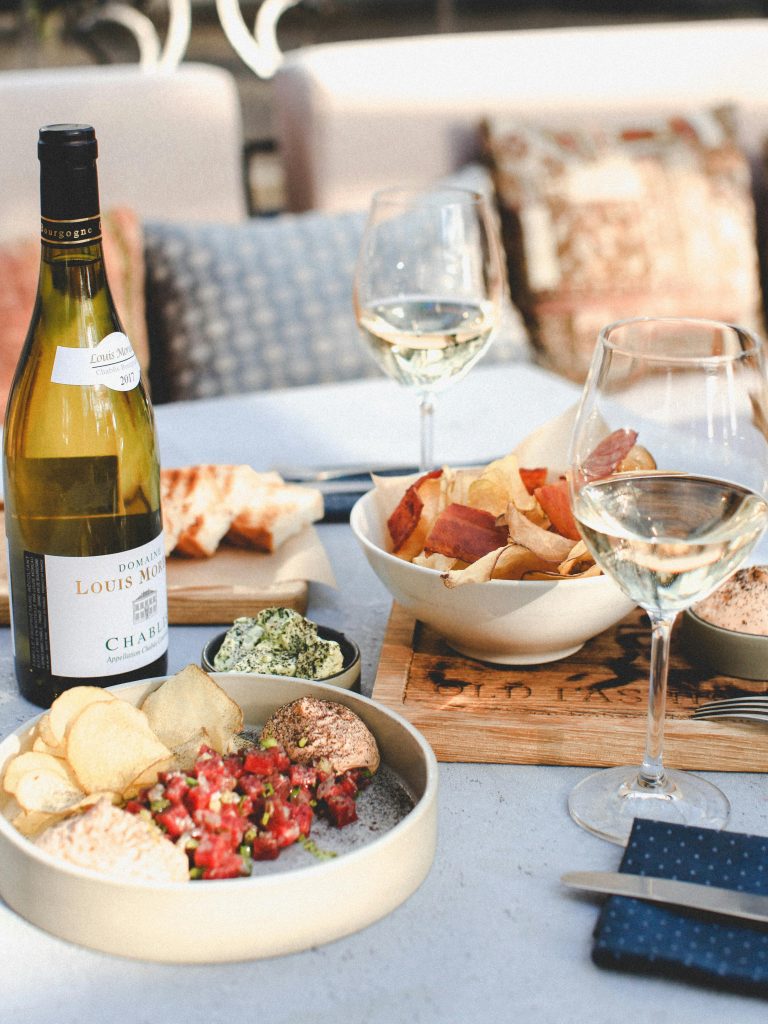
As the sun sets over the Mediterranean, the Provençal tradition of enjoying wine with meals comes alive, pairing perfectly with the region's iconic dishes. The art of wine pairing is deeply ingrained in Provençal culture, where the right wine can elevate a meal into a memorable culinary experience.
Rosé Wines of Provence
Rosé wines are a staple in Provence, and their dry, crisp flavor makes them an ideal pairing for many Provençal dishes. Rosé de Provence, in particular, is renowned for its quality and is often enjoyed during the summer months with dishes like Ratatouille or grilled fish.
Regional Reds and Whites
Provençal cuisine is also complemented by a variety of red and white wines from the region. Reds, such as those made from Grenache and Syrah grapes, pair well with heartier dishes like Daube Provençale. Whites, often featuring blends of Grenache Blanc and Vermentino, are perfect for accompanying seafood or as an apéritif.
Aperitifs and Digestifs
The Provençal dining experience is not complete without the rituals of apéritifs and digestifs. Pastis, a classic Provençal apéritif, is traditionally enjoyed before meals to stimulate the appetite.
The Ritual of Pastis
Enjoying Pastis is a ritual in itself, typically served diluted with water, which turns the drink cloudy. This refreshing apéritif is a staple in Provençal bars and homes, often accompanied by small plates of Tapenade or olives.
Adapting Authentic Provençal Cooking for American Kitchens
With a little know-how and some clever substitutions, you can bring the authentic taste of Provence into your home kitchen. Provençal cuisine is known for its rich flavors and hearty dishes, which can be adapted to suit American kitchens with a few simple adjustments.
Substitutions for Hard-to-Find Ingredients
One of the challenges of cooking Provençal cuisine outside of France is sourcing authentic ingredients. However, many substitutes can be found in local markets or online. For instance, if you can't find espelette pepper, you can substitute it with a mix of paprika and cayenne pepper. Similarly, fresh thyme can replace herbes de Provence in a pinch, though the latter is worth seeking out for its unique blend.
Adjusting Techniques for Modern Kitchens
Modern kitchens often have different tools and appliances than traditional Provençal kitchens. For example, a slow cooker can be used in place of a traditional daubière for cooking daube Provençale. Additionally, many Provençal dishes can be adapted for the Instant Pot or pressure cooker, significantly reducing cooking time.
Maintaining Authenticity While Adapting
While adapting Provençal recipes for American kitchens, it's essential to maintain the authenticity of the dishes. This can be achieved by sticking to traditional flavor profiles and techniques as much as possible. As chef Jacques Pépin once said, "The most important thing is to cook with love and to cook with care."
"Cooking is not just about sustenance, it's about the joy of sharing a meal with others."
Time-Saving Tips That Don't Sacrifice Flavor
To save time without sacrificing flavor, consider preparing ingredients in advance. Many Provençal dishes, such as ratatouille, can be made ahead and refrigerated or frozen for later use. Additionally, using pre-chopped ingredients or store-bought stocks can cut down on preparation time. Here are some more tips:
- Use a food processor to quickly chop vegetables.
- Make large batches of dishes like bouillabaisse and freeze them.
- Keep a well-stocked pantry with staples like olive oil, garlic, and canned tomatoes.
Conclusion: Embracing the Provençal Way of Cooking and Eating
As we've explored the rich culinary landscape of Provence, it's clear that the Provençal way of cooking is more than just a style of cuisine – it's a way of life. By embracing Provençal cuisine, you're not only adopting new recipes but also a philosophy that celebrates the joy of cooking and sharing meals with others.
The essence of Provençal cooking lies in its simplicity, use of fresh ingredients, and the love with which dishes are prepared. Whether you're recreating traditional dishes like Bouillabaisse or Ratatouille, or experimenting with new flavors, the key is to cook with passion and share with love.
By incorporating the Provençal way of cooking into your daily life, you'll not only enhance your culinary skills but also bring people together around the dinner table. So, take the first step, explore the markets, and start cooking your way to a more flavorful and convivial life.
FAQ
What is Provençal cooking?
Provençal cooking is a style of cuisine originating from the Provence region in southern France, characterized by its rich flavors, aromas, and Mediterranean influences.
What are the essential ingredients in Provençal cooking?
Essential ingredients in Provençal cooking include olive oil, herbs de Provence, garlic, tomatoes, and local cheeses and dairy products, which form the foundation of many traditional dishes.
What is bouillabaisse, and how is it prepared?
Bouillabaisse is a classic Provençal seafood stew originating from the port city of Marseille, typically made with a variety of fish and shellfish, vegetables, and aromatics, and served with croutons and rouille.
Can I adapt Provençal recipes to suit my dietary needs?
Yes, many Provençal recipes can be adapted to suit various dietary needs, such as substituting ingredients or adjusting cooking techniques, while maintaining the authenticity of the dishes.
What is the significance of olive oil in Provençal cooking?
Olive oil is a staple ingredient in Provençal cooking, used liberally in cooking, dressings, and marinades, and is considered the "liquid gold" of Provence, adding richness and depth to many traditional dishes.
How do I source authentic Provençal ingredients in the United States?
To source authentic Provençal ingredients, look for specialty stores, farmers' markets, and online retailers that carry high-quality, imported, or locally produced ingredients, such as olive oil, herbs de Provence, and artisanal cheeses.
What is the role of wine in Provençal cuisine?
Wine plays a significant role in Provençal cuisine, with rosé wines being a hallmark of the region, and regional reds and whites also being used to pair with various dishes, adding to the rich culinary experience.
How can I incorporate Provençal cooking techniques into my everyday cooking?
To incorporate Provençal cooking techniques into your everyday cooking, focus on using fresh, seasonal ingredients, layering flavors, and employing slow cooking methods, such as braising and confit, to create rich, flavorful dishes.