
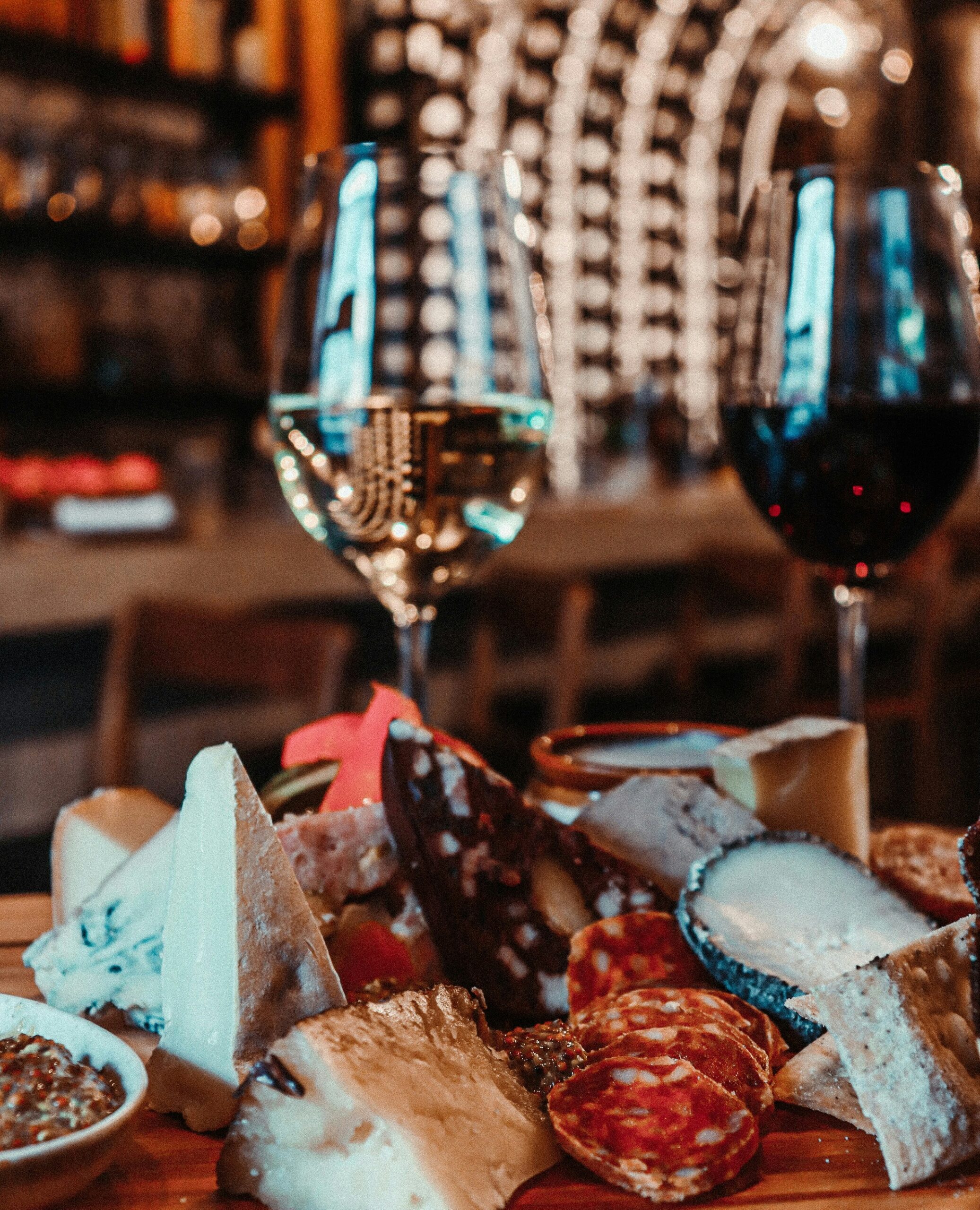
Few culinary traditions carry the timeless charm of opening a good bottle of wine alongside a well-curated cheese board. Whether you are hosting a relaxed evening with friends or savoring a quiet weekend at home, pairing cheese and wine should feel effortless and inspiring rather than complicated.
While the world of artisanal cheeses and fine vintages can seem intimidating, you don’t need to be a certified sommelier to build unforgettable combinations. By following a few straightforward rules, you can create effortless pairings that bring out the best in every sip and bite.
Here is your simple cheat sheet to mastering wine and cheese pairings every single time.

The Golden Rules of Pairing
Before diving into specific bottles, keep these four foundational principles in mind:
- Match Intensity with Intensity
- Rule: Equal power creates balance. Delicate, fresh cheeses need light, crisp wines so their subtle flavors aren’t lost. Conversely, bold, mature cheeses require robust wines that can stand up to their strong personality.
- What Grows Together, Goes Together
- Rule: Trust regional terroir. Foods and wines born from the same soil and climate naturally complement each other. Think French Goat Cheese (Chèvre) with Loire Valley Sauvignon Blanc, or Aged Pecorino with a rich Tuscan Sangiovese.
- Acid Cuts Through Cream
- Rule: High-acid wines act as a refreshing palate cleanser against rich, buttery cheeses. Crisp whites and sparkling wines cut right through dense fat, making every bite taste as vibrant as the first.
- Sweet Counteracts Salt and Funk
- Rule: Opposites attract. Pungent blue cheeses or intensely salty aged varieties find their ultimate soulmate in sweet, fortified, or late-harvest dessert wines.
Classic Pairings at a Glance
| Wine Style | Ideal Cheese Types | Recommended Examples | Why It Works |
| Crisp, Dry Whites (Sauvignon Blanc, Pinot Grigio) | Fresh & Soft Goat Cheeses | Fresh Chèvre, Feta, Mozzarella | High acidity cuts through the tangy creaminess without overpowering the fresh notes. |
| Rich, Full-Bodied Whites (Oaked Chardonnay) | Bloomy Rind & Creamy Cheeses | Brie, Camembert, Triple-Crème | Buttery wine textures harmonize beautifully with lush, velvety rind cheeses. |
| Light to Medium Reds (Pinot Noir, Beaujolais) | Semi-Hard & Earthy Cheeses | Gruyère, Comté, Fontina | Gentle tannins allow subtle nutty and fruity undertones to shine together. |
| Bold, Tannic Reds (Cabernet Sauvignon, Syrah) | Aged, Hard Cheeses | Aged Cheddar, Manchego, Parmigiano-Reggiano | High fat and salt content soften grippy tannins, unlocking rich, complex flavors. |
| Sparkling Wines (Champagne, Prosecco, Cava) | Salty, Rich, or Fried Cheeses | Triple-Crème Brie, Parmigiano, Burrata | Effervescent bubbles lift heavy fats off the tongue for a clean, refreshing mouthfeel. |
| Sweet & Fortified Wines (Port, Sauternes) | Blue & Pungent Cheeses | Roquefort, Gorgonzola, Stilton | Residual sugar balances sharp salinity and funk, creating a luxurious sweet-savory contrast. |
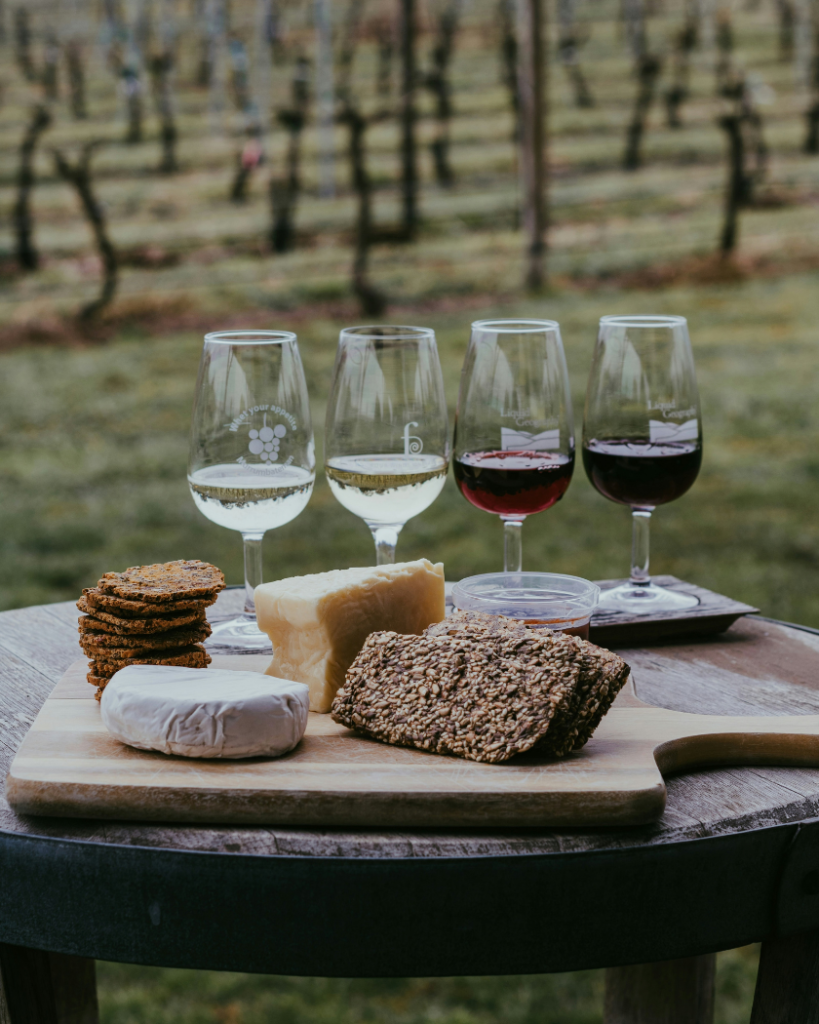
Quick Serving Tips for the Perfect Board
- Temperature Matters: Always remove your cheese from the refrigerator 30 to 60 minutes before serving. Cold mutes the natural aromatics and alters the creamy texture.
- Order Your Tasting: If sampling multiple combinations, progress from the lightest, freshest options (e.g., Sauvignon Blanc + Chèvre) to the strongest, funky finishes (e.g., Port + Blue Cheese) to avoid burning out your palate.
- Add Complementary Accoutrements: Elevate your board with neutral water crackers, raw honey, fresh figs, toasted walnuts, or fruit preserves to bridge the flavors between your wine glass and cheese plate.
Leave a Reply